
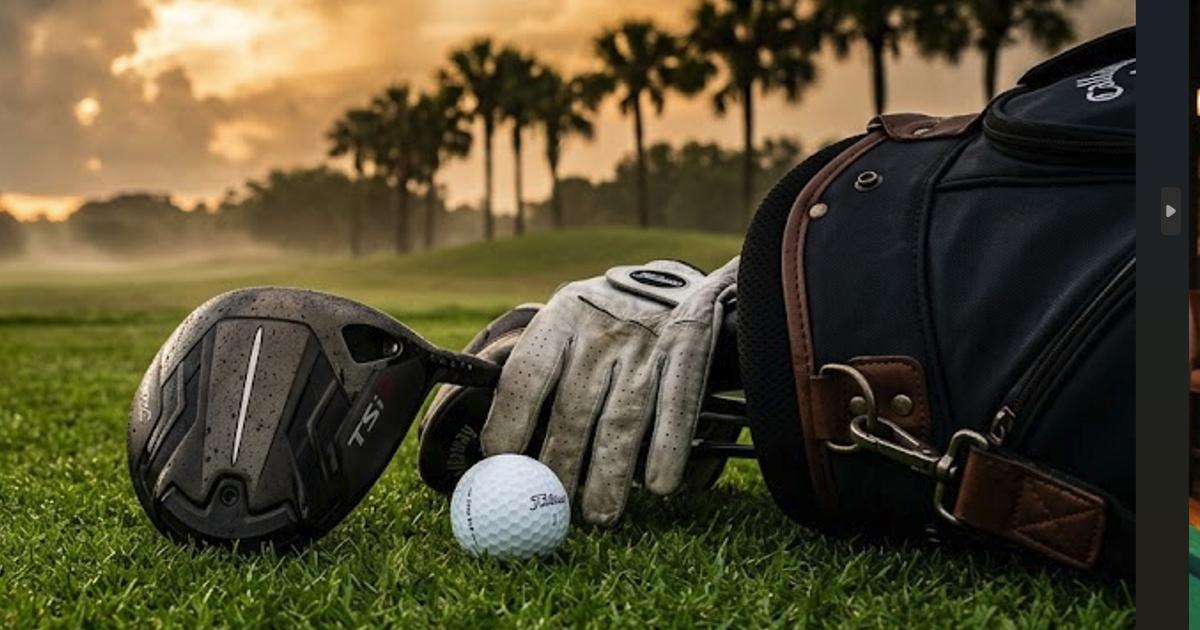

Living and playing golf in Southwest Florida comes with some undeniable perks. Year-round sunshine, stunning courses, and the kind of golfing culture that most of the country only dreams about. But anyone who has played a round at a local Fort Myers course knows that the Florida climate is a force to be reckoned with. The heat, the humidity, the afternoon thunderstorms, and the salt air along the coast all have a very real and measurable impact on your golf gear — and understanding that impact can help you protect your investment and play better golf in the process.
At Golf & Casual Shop, we have been helping Southwest Florida golfers navigate these unique environmental challenges since 1971. Our team has seen firsthand what the Florida climate can do to clubs, bags, shoes, grips, and apparel when golfers are not prepared. The good news is that with the right knowledge and the right gear, you can keep everything performing at its best no matter what the Florida sky throws at you.
What High Humidity Does to Your Golf Equipment
Humidity is the silent enemy of golf equipment in Florida. Unlike states with drier climates, Southwest Florida regularly sees humidity levels well above 80 percent, especially during the summer months. That persistent moisture in the air creates a range of problems that many golfers do not even connect to their environment until the damage is already done.
The Effect on Golf Club Grips
Your grips are your only point of contact with the club, and humidity is their biggest adversary. Over time, moisture causes grips to harden, crack, and lose the tackiness that gives you control during your swing. A grip that feels fine in the morning can feel slick and unreliable by the time the afternoon humidity peaks. This is one of the main reasons we recommend that Southwest Florida golfers regrip their clubs more frequently than the national average suggests. While most golfers are advised to regrip once a year, Florida players are better served regripping every six to eight months, especially if they play multiple times per week.
What Happens to Club Faces and Shafts
Moisture can also work its way into the smallest imperfections on your club faces, accelerating the natural wear of grooves over time. For graphite shafts, prolonged exposure to humidity and moisture without proper storage can weaken the resin bonds within the shaft construction over many seasons of use. Steel shafts, while more resistant in some ways, are susceptible to rust if nicks and scratches are left untreated and exposed to humid air consistently. Keeping your clubs clean, dry, and properly stored after each round goes a long way toward extending their life in the Florida climate.
How Salt Air Affects Golfers Along the Coast
Southwest Florida's proximity to the Gulf of Mexico means that many golfers are playing in or near salt air on a regular basis. Courses in Cape Coral, Bonita Springs, Naples, and throughout the Fort Myers area can carry salt-laden breezes that are particularly hard on metal components. Salt air accelerates corrosion on club heads, ferrules, shaft connections, and even the metal hardware on golf bags.
Protecting Your Clubs from Salt Exposure
The solution is consistent and attentive care. After any round played near coastal areas, take a few minutes to wipe down your club heads and shafts with a slightly damp cloth followed by a dry towel. Pay special attention to the hosel area where the shaft meets the club head, as moisture tends to collect there. For players who live close to the water and store their clubs in a garage or outdoor area, even ambient salt air exposure over time can cause subtle but cumulative damage. Storing your clubs indoors in a temperature-controlled environment is one of the easiest ways to add years to their life.
Florida's Climate and Your Golf Bag, Shoes, and Apparel
It is not just your clubs that take a beating from Florida's weather. Your bag, shoes, and clothing all face the same environmental pressures, and choosing the right products from the start makes a significant difference.
Golf Bags in the Heat and Humidity
Leather accents and lower-quality synthetic materials can warp, crack, or develop mildew in Florida's heat and humidity. When shopping for a golf bag in Southwest Florida, look for bags constructed from durable, moisture-resistant materials with proper ventilation. Wet pockets and damp interiors left unattended are breeding grounds for mildew and unpleasant odors. After a round, leave your bag open in a dry space so air can circulate through the compartments and dry everything out properly.
Golf Shoes and Florida Conditions
Florida fairways and rough can retain moisture from morning dew, irrigation systems, and afternoon storms, making shoe selection especially important. Waterproof or water-resistant golf shoes are not just for rainy states — they are a genuine asset here in Southwest Florida. Beyond protection from wet ground, breathability matters enormously in the heat. Look for shoes with moisture-wicking linings and breathable uppers so your feet stay comfortable through all 18 holes even on the hottest days of the year.
Apparel Built for the Florida Game
The right golf apparel is about more than style. In Southwest Florida, your clothing is part of your performance strategy. Fabrics with moisture-wicking technology pull sweat away from your skin and allow for evaporative cooling. UV protection built into performance fabrics helps shield you from the intense Florida sun during long rounds. Lightweight, four-way stretch materials keep your swing mechanics free and unrestricted. Wearing the wrong fabric on a hot, humid Florida afternoon can make your round genuinely uncomfortable and even affect your concentration on the course.
Practical Steps to Protect Your Golf Gear in Southwest Florida
Understanding the problem is only half the battle. Here are the most important steps you can take to protect your investment and keep your gear performing at its peak in the Florida climate:
- Regrip regularly: Plan on regripping every six to eight months in Southwest Florida, or whenever grips begin to feel hard or slick.
- Clean clubs after every round: A quick wipe-down after each round removes moisture, salt, and debris before they can cause lasting damage.
- Store clubs indoors: Avoid storing your bag in your car trunk or a hot garage for extended periods. Heat and humidity fluctuations in those environments accelerate material breakdown.
- Dry your bag thoroughly: After wet rounds, open all compartments and let your bag air out completely before storing.
- Inspect your equipment seasonally: Make it a habit to check your grips, shaft connections, club faces, and bag hardware at the start of each season.
- Invest in quality moisture-resistant gear: Choosing shoes, bags, and apparel designed for warm and humid conditions from the start saves you money in the long run.
- Use a towel on the course: Keeping a quality golf towel clipped to your bag and wiping down clubs between shots keeps moisture from building up during your round.
Let the Experts at Golf & Casual Shop Help You Choose the Right Gear for Florida
At Golf & Casual Shop in Fort Myers, our team knows Southwest Florida golf better than anyone. We have spent over 50 years helping local golfers choose equipment, apparel, and accessories that stand up to everything this incredible climate dishes out. Whether you are shopping for new grips that hold up to sweaty Florida rounds, a breathable bag that resists mildew, or performance apparel designed for heat and humidity, we carry the best brands and offer the expert guidance to help you make the right choice every time.
Stop in and see us Monday through Saturday from 9AM to 5:30PM, or Sunday from 11AM to 4PM. We are located in Fort Myers and you can reach us at (239) 936-8753. Our team is always ready to help you gear up smart for the Florida golf season, no matter what time of year it is. When your equipment is built for this environment, your game — and your enjoyment — will reflect it.