
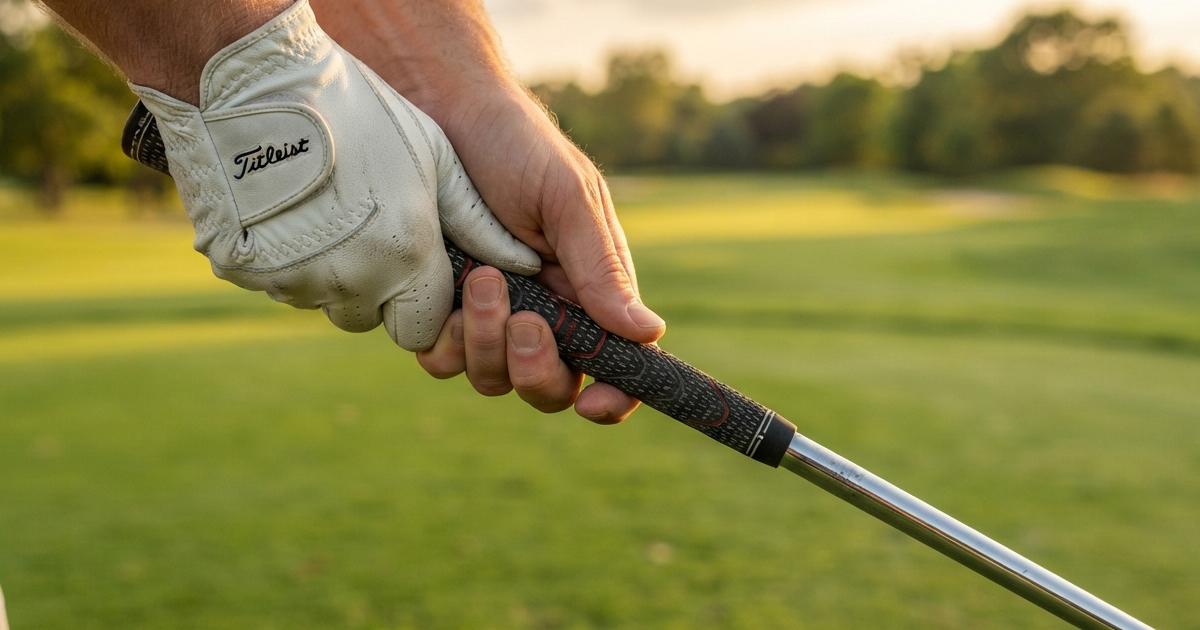

Ask any seasoned golfer what the most underrated component of a golf club is, and if they know their stuff, they will tell you it is the grip. That small cylinder of rubber or synthetic material wrapped around the top of your club is the only point of contact between your body and the equipment. Everything you feel, every bit of feedback from the clubface, every attempt at control and consistency flows directly through your grip. Yet most golfers — even experienced ones — go years without giving their grips a second thought.
At Golf & Casual Shop in Fort Myers, we have been helping Southwest Florida golfers get the most out of their equipment since 1971. One of the most common conversations we have with customers involves grips. People come in frustrated with their game, convinced they need new irons or a different driver, and after a quick assessment, we discover their grips are the culprit. The wrong size or worn-out material can quietly sabotage your swing without you ever realizing it.
Whether you are brand new to the game or a low-handicapper looking to sharpen every edge, understanding golf grip size and material is one of the smartest investments of time and money you can make. Let us break it all down for you.
Why Grip Size Matters More Than You Think
Golf grip size is not a one-size-fits-all situation, despite what the standard grips that come on off-the-shelf clubs might suggest. Grip size has a direct influence on how your hands work through the swing, how the face squares at impact, and ultimately whether the ball goes where you want it to go.
Grips are generally categorized into four standard sizes: undersize, standard, midsize, and oversize (sometimes called jumbo). Some manufacturers also produce specialty sizes in between. The right size for you is largely determined by the size of your hands, specifically the length of your fingers and the circumference of your palm.
The Effects of a Grip That Is Too Small
When you play with a grip that is too small for your hands, your fingers tend to wrap too far around the handle. This grip pressure mismatch causes your wrists to become overactive during the swing. The result is usually an exaggerated release through the hitting zone, which promotes a hook or a draw that is difficult to control. If you are consistently fighting a hook or struggling to hold on at impact, an undersized grip could be to blame.
The Effects of a Grip That Is Too Large
On the flip side, a grip that is too large for your hands restricts wrist action and slows down the natural rotation of the forearms through impact. This often leads to an open clubface and shots that miss to the right for right-handed golfers. It can also cause added tension in the hands and forearms, which disrupts tempo and reduces feel. Some golfers with arthritis or joint pain intentionally use larger grips to reduce grip pressure and discomfort, which is a completely valid reason — but it should be a deliberate choice rather than an accident.
How to Determine the Right Grip Size for Your Hands
The traditional method for measuring grip size involves checking how your fingers interact with your palm when holding a club. When you grip the club in your lead hand, the tips of your middle and ring fingers should just barely graze the pad at the base of your thumb. If they dig in, the grip is too small. If there is a noticeable gap, the grip may be too large.
The most reliable way to determine the right grip size is to come into Golf & Casual Shop and let one of our experienced staff members take a look. We can assess your hand size, consider your swing tendencies, and recommend the right grip size with confidence. We carry grip options in all standard sizes and can install them on your clubs right here in our shop.
Understanding Golf Grip Materials and What Each One Offers
Once you have the right size dialed in, the next consideration is material. Golf grips are made from several different materials, each with its own feel, performance characteristics, and maintenance needs. The three most common categories are rubber, corded, and synthetic or multi-compound grips.
Rubber Grips
Rubber grips are the most common and widely used option on the market. They offer a soft, tacky feel that many golfers love, especially for players who prioritize comfort and feedback. Rubber grips perform well in dry conditions and are generally the most affordable option. They are a great choice for beginners and casual players who want a reliable, comfortable grip without overcomplicating things.
The downside to rubber grips is that they can become slippery in wet or humid conditions, which is a real concern here in Southwest Florida. Our warm, humid climate means your hands may sweat during a round, and a worn rubber grip can make it difficult to maintain control without squeezing too tight.
Corded Grips
Corded grips have actual fabric cord woven into the rubber compound, creating a texture that is much more aggressive than a standard rubber grip. The cord gives the grip excellent tackiness and moisture resistance, making it a favorite among tour professionals and serious golfers who play in all conditions. In Florida's heat and humidity, corded grips offer a real advantage because they perform exceptionally well when your hands get sweaty.
The trade-off with corded grips is feel. They are firmer and less cushioned than rubber grips, which means more vibration is transferred to your hands on mishits. Golfers with sensitive hands or joint issues sometimes find corded grips uncomfortable over a full round. That said, many players who try them never go back to standard rubber.
Synthetic and Multi-Compound Grips
Multi-compound grips attempt to give you the best of both worlds by combining a softer lower section — where your lead hand rests — with a corded or firmer upper section for the trail hand. This design provides comfort and feel where you need it most while still delivering the moisture control and tackiness of a cord grip in the areas that benefit from it.
Synthetic grips made from polyurethane or similar materials have also become increasingly popular. Brands like Golf Pride and SuperStroke have developed synthetic options that offer excellent durability, consistent feel across temperatures, and a wide range of textures and firmness levels. These are versatile options that work well for a broad range of golfers.
When It Is Time to Regrip and What to Expect
Even the best grip in the world wears out over time. Heat, humidity, sweat, sunscreen, and general use all break down the material and reduce its tackiness. Here in Southwest Florida, our year-round golf season accelerates grip wear. If you play regularly, you should be evaluating your grips frequently.
Signs That Your Grips Need Replacing
- The surface feels smooth or slick, even when dry
- You notice visible cracking, hardening, or glazing on the rubber
- You find yourself gripping the club tighter than usual to maintain control
- The grip surface looks shiny rather than matte
- You are losing shots to the right or left without any obvious swing cause
- The grip feels stiff or uncomfortable in cooler morning temperatures
A good rule of thumb recommended by most grip manufacturers is to regrip your clubs at least once a year if you play regularly, or approximately every 40 rounds. If you are a frequent player here in Fort Myers logging rounds two or three times per week, you may find yourself needing fresh grips even more often than that.
What the Regripping Process Looks Like
Regripping is a straightforward process that our team at Golf & Casual Shop handles quickly and efficiently. We remove the old grip, clean the shaft, apply grip tape and solvent, and install your new grip — all without damaging the club. We can match your preferred size, material, and feel, and we stock a wide selection of grips from the top brands including Golf Pride, Lamkin, SuperStroke, and Winn. Stop in and we will take care of you.
Come See Us at Golf & Casual Shop
Getting your grips right is one of the most cost-effective upgrades you can make to your golf game. It does not require a new set of irons or a premium driver. It just requires a little attention to the part of your club you touch every single swing. And when you are gripping the club with confidence, the rest of your game will thank you for it.
Golf & Casual Shop is located in Fort Myers and has been Southwest Florida's premier golf destination since 1971. Stop in Monday through Saturday from 9AM to 5:30PM or Sunday from 11AM to 4PM. You can also call us at (239) 936-8753. Our knowledgeable staff is ready to help you find the right grip size, material, and style to match your game and your conditions. We will have you holding on with confidence and playing some of the best golf of your life.